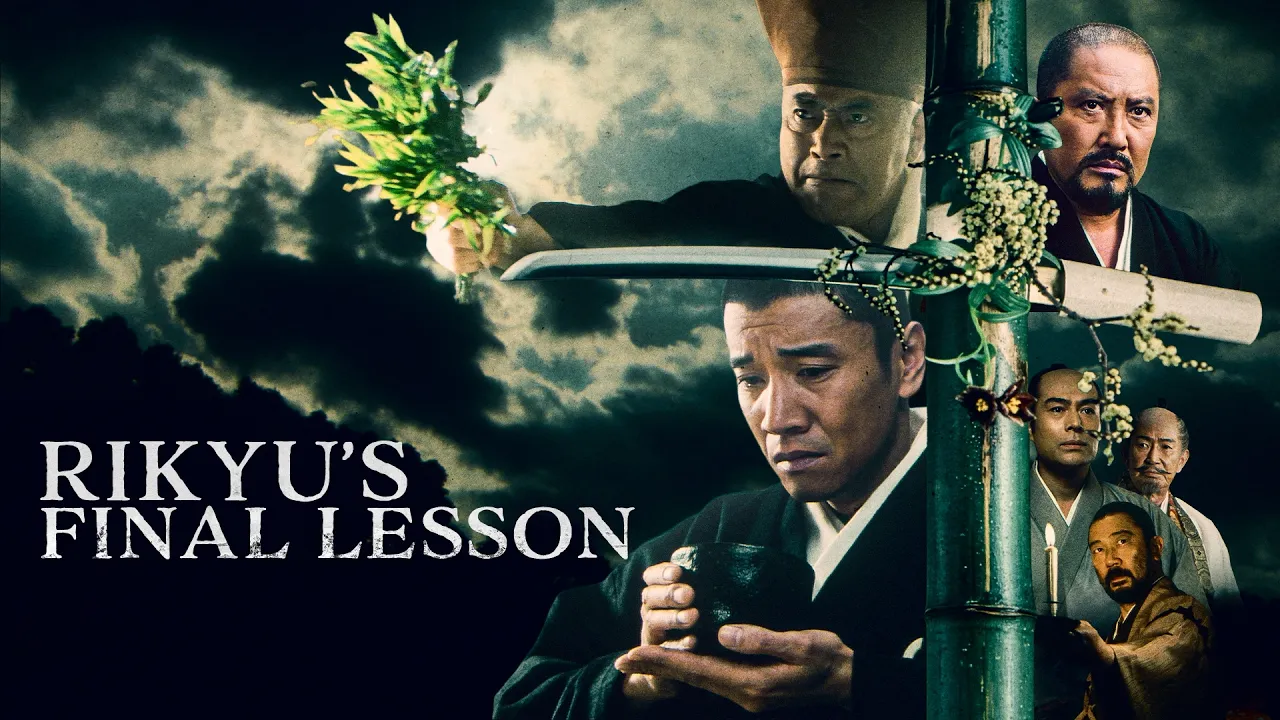
Sen no Rikyu Honkakubo Ibunが、2026年11月27日にYouTubeで配信される。熊井啓監督が井上靖の小説をもとに映画化した1989年の名作で、茶聖・千利休の最期の日々を描いた作品だ。三船敏郎が千利休を、奥田瑛二が弟子の本覺坊を演じ、登場人物はすべて男性という異色の構成でも知られている。この記事では、Sen no Rikyu Honkakubo Ibunの配信情報、あらすじ、キャスト、見どころをわかりやすく解説する。
Sen no Rikyu Honkakubo Ibunの配信情報まとめ
Sen no Rikyu Honkakubo Ibunは、2026年11月27日(金)にYouTubeで配信される。1989年に劇場公開された映画が、YouTubeで手軽に楽しめるようになる。配信の詳細や視聴方法は、YouTubeの作品ページで確認してほしい。日本の映画史に残る名作を、この機会にぜひ見てほしい。
| 作品名 | 千利休 本覺坊遺文 |
| 配信開始 | 2026年11月27日(金) |
| 配信 | YouTube |
| 劇場公開 | 1989年10月7日 |
| 上映時間 | 108分 |
| 監督 | 熊井啓 |
| 原作 | 井上靖「本覺坊遺文」 |
| 脚本 | 依田義賢 |
| 出演 | 三船敏郎、奥田瑛二、萬屋錦之介、加藤剛、芦田伸介 |
物語について
物語は、千利休の弟子である本覺坊の回想から始まる。利休は豊臣秀吉に仕えた茶人だったが、やがて秀吉の怒りを買い、切腹を命じられてしまう。なぜ利休は死ななければならなかったのか。本覺坊は、利休の最期の日々を振り返りながら、その謎をたどっていく。茶の湯の美しさと、権力の恐ろしさが交錯する物語だ。井上靖の原作小説の静かな筆致が、映画でも丁寧に描かれている。
Sen no Rikyu Honkakubo Ibunの公式動画
Sen no Rikyu Honkakubo Ibunの公式予告編はYouTubeで見つからなかったため、ここではYouTubeで配信されている本編映像を紹介する。SAMURAI VS NINJAチャンネルが英語字幕付きで配信しているもので、作品の世界観を確かめることができる。公式予告編ではない点に注意してほしい。まずは映像を見て、1989年の名作の雰囲気を感じてほしい。
キャストと登場人物
Sen no Rikyu Honkakubo Ibunで千利休を演じるのは三船敏郎だ。弟子の本覺坊を演じるのは奥田瑛二で、物語の語り手となる重要な役だ。織田有楽斎を萬屋錦之介、古田織部を加藤剛、豊臣秀吉を芦田伸介が演じている。登場人物がすべて男性という構成は、当時も大きな話題になった。名優たちの静かで重みのある演技が、作品の魅力を支えている。
見どころ3つ
1. 三船敏郎が演じる千利休の最期
三船敏郎が演じる千利休は、権力に屈しない静かな強さを持った人物だ。切腹を命じられても、茶の湯の心を失わない姿が印象的だ。日本映画を代表する名優の演技を、ぜひじっくりと味わってほしい。
2. 茶の湯の美しさと「わび・さび」の世界
この映画の大きな魅力は、茶室や茶道具、所作を通して描かれる茶の湯の美しさだ。華やかさではなく、静けさや余白の中にある美しさが描かれる。茶道に詳しくなくても、その凛とした空気は伝わってくるはずだ。
3. 利休はなぜ死ななければならなかったのか
物語の中心には、利休の死の謎がある。秀吉の怒りの理由は、映画の中でもはっきりとは語られない。観る人それぞれが、利休と秀吉の関係や、権力のあり方について考えることができる。見終わったあとに余韻が残る作品だ。
作品情報と映画の背景
千利休 本覺坊遺文は、井上靖の小説「本覺坊遺文」を原作とし、熊井啓が監督を務めた1989年の映画だ。脚本は依田義賢が担当した。1989年10月7日に劇場公開され、上映時間は108分だった。千利休は安土桃山時代の茶人で、茶の湯を大成した人物として知られている。豊臣秀吉に仕えたのち、1591年に切腹を命じられて亡くなった。映画は、そんな利休の最期を弟子の目線から描いている。登場人物がすべて男性という構成や、静かな映像美が高く評価された作品だ。
視聴方法とおすすめの人
Sen no Rikyu Honkakubo Ibunは、2026年11月27日からYouTubeで配信される。スマートフォンやパソコン、テレビの大画面でも楽しめる。日本映画の名作に興味がある人、茶道や日本の歴史が好きな人、静かな人間ドラマが好きな人におすすめだ。派手なアクションはないが、深い余韻が残る作品だ。配信開始を待って、ぜひ見てほしい。
公式情報は、作品情報(映画ナタリー)、作品データ(Wikipedia(英語))、作品情報(IMDb)で確認できる。
まとめ:Sen no Rikyu Honkakubo Ibunで茶聖の最期にふれよう
Sen no Rikyu Honkakubo Ibunは、2026年11月27日にYouTubeで配信される日本の名作映画だ。三船敏郎と奥田瑛二を中心とした名優たちの演技、茶の湯の美しさ、利休の死の謎が楽しめる。1989年の作品ながら、今見ても色あせない深みがある。YouTubeでの配信を機に、
千利休の世界にふれてみてほしい。
Table of Contents
English Summary of Sen no Rikyu Honkakubo Ibun: The following English section introduces this classic Japanese film for international readers in Japan and around the world. It explains the story, the cast, and how to watch the film on YouTube from 27 November 2026.
English Summary
Sen no Rikyu Honkakubo Ibun is a classic Japanese film about the tea master Sen no Rikyu, and it will be available on YouTube from 27 November 2026. The film was released in cinemas in 1989 and was directed by Kei Kumai, based on the novel by Yasushi Inoue. It tells the story of Rikyu’s final days through the memories of his disciple Honkakubo. This is a rare chance to watch a famous work of Japanese cinema at home.
Sen no Rikyu Honkakubo Ibun focuses on the relationship between Rikyu and the warlord Toyotomi Hideyoshi. Rikyu served Hideyoshi as a tea master, but he later fell from favour and was ordered to commit seppuku. The film does not give a simple answer to why this happened. Instead, it invites viewers to think about power, pride, and the values of the tea ceremony. That open question is part of its lasting appeal.
The story is told from the point of view of Honkakubo, played by Eiji Okuda, who was one of Rikyu’s disciples. He looks back on his teacher’s last days and tries to understand what led to his death. Through his memories, viewers see the tea room, the rituals, and the quiet conversations that shaped Rikyu’s life. The film moves slowly, but every scene feels carefully composed and meaningful.
Sen no Rikyu Honkakubo Ibun stars Toshiro Mifune as Sen no Rikyu, in one of his most restrained and powerful performances. Mifune is known around the world for his work with Akira Kurosawa, and here he shows a very different side of his talent. His Rikyu is calm, dignified, and unshaken even when facing death. It is a performance that rewards patient viewing and stays in the memory.
The film is also famous for its all-male cast, which was unusual even in 1989. The other main roles include Kinnosuke Nakamura as Oda Urakusai, Go Kato as Furuta Oribe, and Shinsuke Ashida as Toyotomi Hideyoshi. Each actor brings weight and presence to the story, and the absence of female characters gives the film a distinctive atmosphere. The focus stays firmly on the men, their values, and their conflicts.
The tea ceremony is at the heart of the film, and the director films it with great care. Viewers see the tea room, the bowls, the whisk, and the slow, deliberate movements of the host. The beauty of the ceremony comes from simplicity, quiet, and empty space, rather than from decoration. Even viewers who know nothing about tea can feel the calm and dignity of these scenes.
Sen no Rikyu Honkakubo Ibun was directed by Kei Kumai, with a screenplay by Yoshikata Yoda, and it runs for 108 minutes. The original novel by Yasushi Inoue is known for its quiet, reflective style, and the film keeps that tone. The cinematography uses natural light and muted colours to create a world that feels both historical and timeless. Music is used sparingly, which adds to the sense of stillness.
The historical Rikyu lived in the Azuchi-Momoyama period and helped to shape the Japanese tea ceremony. He developed the idea of wabi-sabi, finding beauty in imperfection and simplicity, and he influenced many later tea masters. His death in 1591, ordered by Hideyoshi, remains one of the great mysteries of Japanese history. The film explores that mystery without pretending to solve it completely.
One of the strengths of the film is the way it shows power and art in conflict. Hideyoshi valued Rikyu’s tea, but he also wanted complete obedience, and the two men could not find a lasting balance. Rikyu refused to bend his beliefs, even when the cost was his own life. This tension between art and power is a theme that still feels relevant today, in many countries and cultures.
Sen no Rikyu Honkakubo Ibun is a good choice for viewers who enjoy slow, thoughtful cinema and Japanese history. It suits people who liked other classic Japanese films, and it is a good introduction to the work of Kei Kumai. The film does not rely on action or special effects, but it offers rich performances, beautiful images, and ideas that linger after the credits. It is a film to watch without hurry.
Watching the film on YouTube makes it easy to access, and viewers can pause to read about the history or the tea ceremony as they go. The version available on YouTube carries English subtitles, which helps international viewers follow the dialogue and the ritual terms. Watching on a large screen is best, because the composition of each shot is part of the pleasure. A quiet room and an unhurried evening suit this film well.
The film also offers a window into Japanese culture for viewers outside Japan. The tea ceremony, the architecture of the tea room, and the manners of the guests all carry meaning that is explained gently through the story. International viewers do not need a detailed knowledge of Japanese history to follow the plot, because the human drama is clear. The film explains its world through action and image, not through long lectures.
Sen no Rikyu Honkakubo Ibun has been praised by critics for its performances and its visual style, and it remains one of the best-known films about the tea ceremony. Its reputation has grown over the years, and it is now regarded as a classic of Japanese cinema. The YouTube release in November 2026 gives a new generation of viewers a chance to discover it. That is a welcome event for lovers of world cinema.
For viewers in Japan, the release is a chance to revisit a film that many people know by name but have not seen. For viewers abroad, it is an accessible introduction to a key figure in Japanese culture. The story of a teacher and his disciple, told through memory, is universal, and it does not depend on one country or one period. Anyone who enjoys stories about mentors, art, and moral choice will find something here.
The director Kei Kumai was known for careful, humanist films, and this work is one of his most respected. He lets the actors work slowly, and he trusts the audience to pay attention to small details. The result is a film that feels more like a painting or a poem than a conventional drama. Viewers who are used to fast films may need time to adjust, but the reward is a deeper experience.
Tea masters today still talk about Rikyu, and his ideas about simplicity continue to influence Japanese design, food, and daily life. The film shows how those ideas were formed in a time of war and political change, when beauty and survival were closely linked. Understanding Rikyu helps viewers understand a part of Japan that is still alive in tea rooms and in quiet moments of the day.
Sen no Rikyu Honkakubo Ibun is not a film about a single event, but about a whole way of life. It shows how a person can hold to a belief even when the world around him changes. Rikyu’s choice to die rather than betray his art is presented without exaggeration, and that restraint makes it more moving. The film asks viewers to consider what they themselves would do in his place.
The YouTube release on 27 November 2026 is a good reason to plan a viewing, either alone or with friends who enjoy Japanese film. Viewers can check the YouTube page for the latest details and for the correct version with subtitles. The film runs for just under two hours, so it fits easily into one evening. It is worth watching from start to finish without interruption.
In summary, this film is a classic of Japanese cinema, directed by Kei Kumai and based on a novel by Yasushi Inoue. It stars Toshiro Mifune as Rikyu and Eiji Okuda as his disciple Honkakubo, and it explores the mystery of Rikyu’s death. The YouTube release in November 2026 makes it easy to watch in Japan and around the world. It is a quiet, beautiful, and thought-provoking film.
Sen no Rikyu Honkakubo Ibun will be available on YouTube from 27 November 2026, and this guide has covered its story, cast, and highlights. If you enjoy classic Japanese cinema, tea culture, or historical drama, this is a film to watch. Check the official information, set aside a quiet evening, and enjoy one of the great works of Japanese film.
The story of Rikyu and Honkakubo reminds viewers that art can be a form of courage, and that simplicity can carry great meaning. The film’s images of tea, light, and shadow stay with the viewer long after it ends. For anyone who wants to understand Japanese culture more deeply, this is an excellent place to start. The new YouTube release makes that journey easy to begin.
Finally, the film is a reminder that some stories do not need to be loud to be powerful. A quiet tea room, a careful gesture, and a difficult choice can say more than a battle scene. That is the lesson of Rikyu’s life, and it is the reason this film is still watched today. Viewers who give it their attention will be rewarded with a memorable and moving experience.
関連記事
映画については、THE BODY—遺体が消えた夜—のNetflix記事もご覧ください。
映画作品の配信については、薬屋のひとりごと映画の記事もおすすめです。